The Differences Between Self-Storage and Public Storage
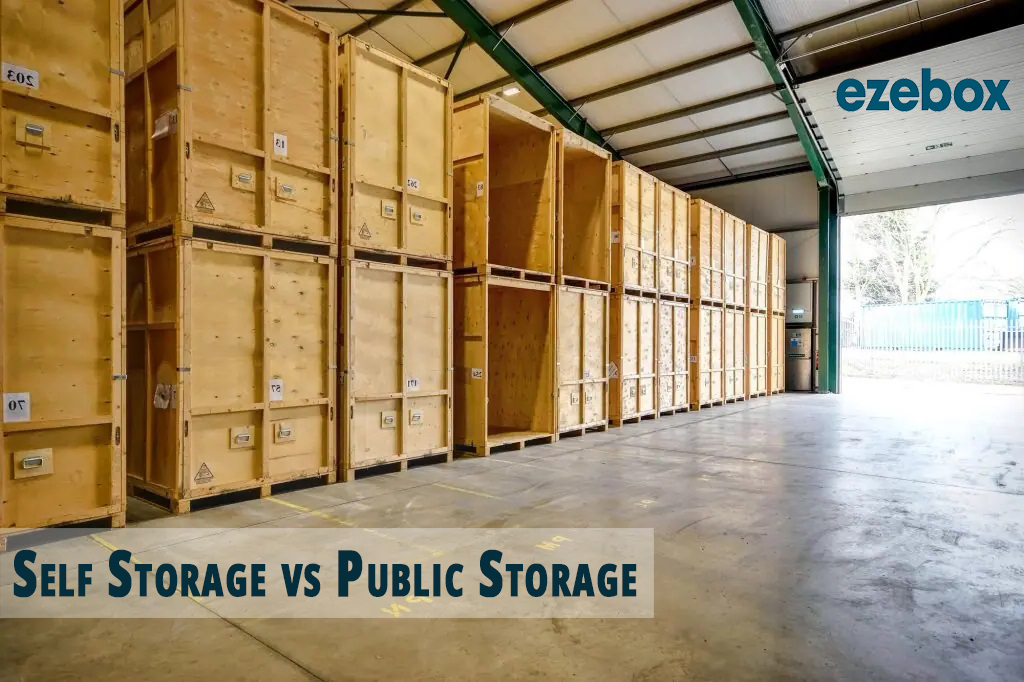
When choosing public storage or self-storage, consider access, length, location, insurance, and item restrictions. You want to make sure your things are kept orderly and safe.
When choosing public or self-storage, consider access, length, location, insurance, and item restrictions. Both methods, according to your needs, offer your goods safe surroundings.
When it comes to deciding where to store your goods away, you really should do your homework. You want to make sure your things are kept orderly and safe. While some people might need to save their items for a few days, others could need them for months or even years. We have created a guide to assist you in understanding the differences between public and self-storage options. Often, storage is just one aspect of the relocation process; therefore, finding the right movers is just as vital. Ezebox is thus all about using years of business experience to help you find the best movers and storage solutions.
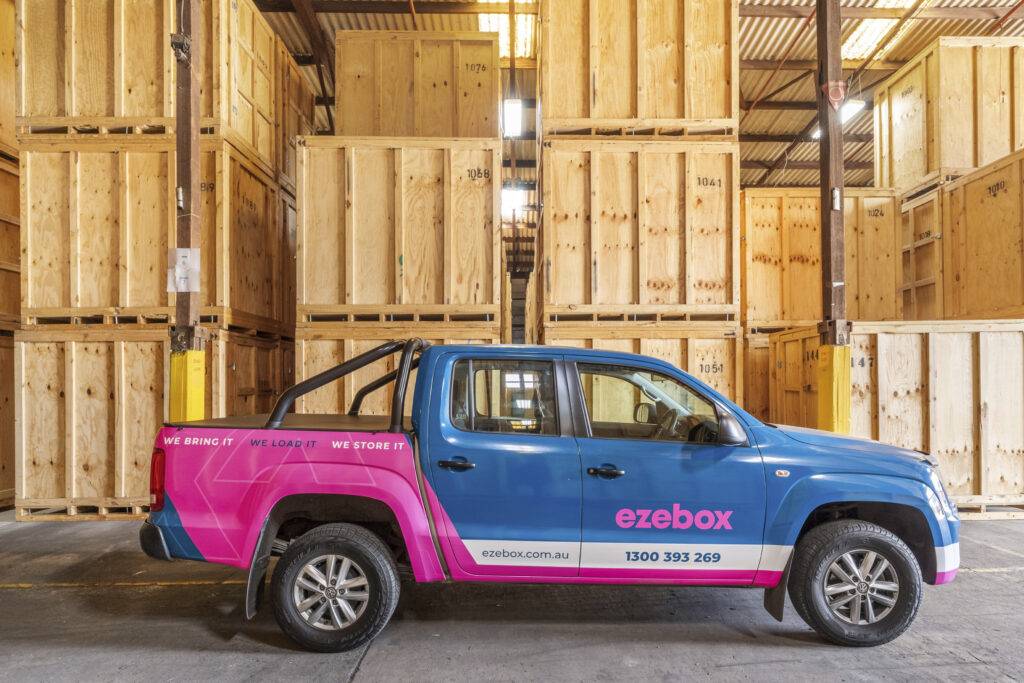
Learning: Self-Storage vs. Public Storage
Public and self-storage facilities are designed to look after your stuff for as long as you want. To make a wise decision, however, you should consider the different benefits, drawbacks, and preferences they bring along. Ultimately, the decision between public and self-storage boils down to personal taste since both provide a secure place for your stuff.
Access policies vary by provider, not simply by whether storage is called public or self-storage. At Ezebox, warehouse visits are unlimited and you may add or remove items, Monday–Friday 9am–5pm and Saturday 9am–12pm, by arrangement. Visits are free with at least two business days’ notice; shorter notice is subject to availability and may incur a $50 fee, including GST. There is no 24/7 customer access. Redelivery depends on your selected service, advance payment and team availability; at least seven days’ notice is recommended, not guaranteed.
Usually administered by government agencies, public storage facilities can monitor your unit under particular criteria. Although self-storage facilities are private, government officials can investigate public storage facilities if they believe any criminal behaviour is occurring. This disparity in access might truly throw a spanner in the works of your decision-making process.
Duration of Storage:
Storage providers offer different rental periods and retrieval arrangements. Ezebox has no minimum rental duration, but a minimum one-month storage charge applies even for one day or three weeks. Warehouse visits are by arrangement under the policy above. Review your quote and the existing terms, refund and cancellation policies for services and charges.
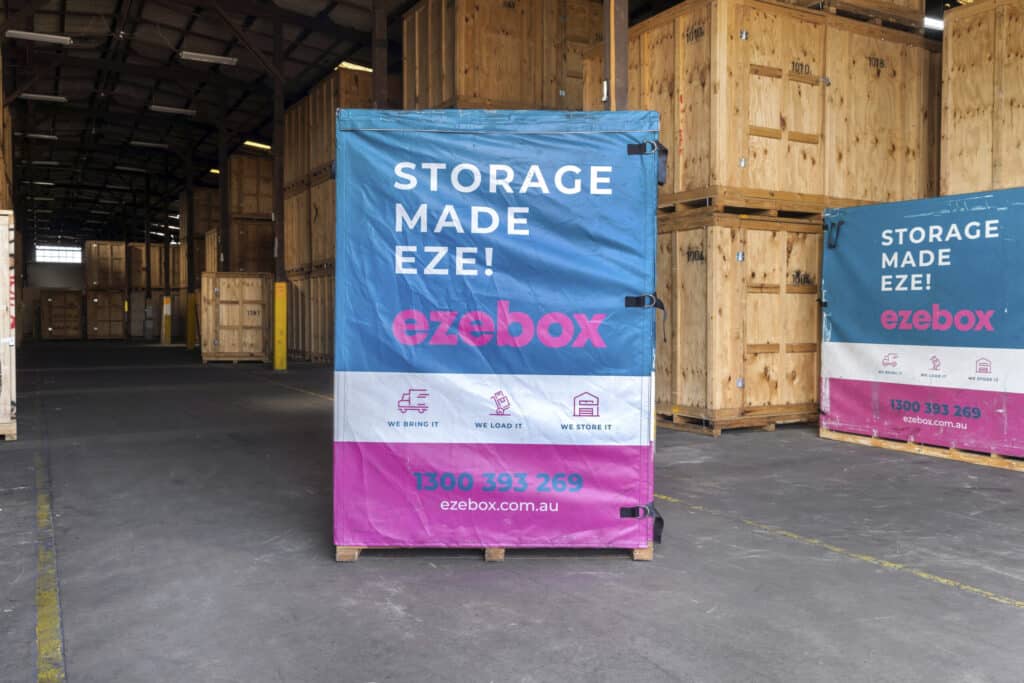
Choosing the Ideal Storage Unit
Keep an eye out for your items’ safety while considering alternatives between public and self-storage. While both facilities can provide safe surroundings, choosing the appropriate storage space for your purposes calls for other considerations.
Location Matters
One should consider the location of their storage facility very highly. Their ideal home should be near their current or future location. Being close will enable them to collect their belongings as needed. Should they choose a storage facility that is too far apart, they may find it difficult to retrieve their belongings, resulting in higher leasing rates.
Insurance Options
Research insurance for your belongings and get written confirmation of the cover, limits and exclusions from your insurer. Provider arrangements vary. At Ezebox, customers arrange and pay for insurance separately; it is not included in storage, transport or loading.
Regular or Climate-Controlled Storage Facilities
Across the industry, standard and climate-controlled facilities offer different environments. If temperature or humidity control is essential for your items, confirm the provider’s actual features. Ezebox does not offer climate control; it provides covered transport and a secure, covered, alarmed warehouse.
Things You Cannot Store Away
Although there are restrictions on what you can store, storage spaces can help keep all kinds of stuff out of the way. Have a look at these things you should avoid when it comes to storage spaces:
-
Plants and animals: Living beings like animals and plants cannot be stored in storage facilities since their survival depends on conditions that are not sufficient.
-
Weapons and Explosives: Storage facilities are not designed for weapons and dangerous materials.
-
Hazardous Materials: Items like paint, nail polish, and caustic chemicals are not allowed due to safety concerns.
In essence, making a wise decision depends on understanding the distinctions between public and private storage. Though elements like accessibility, storage length, location, insurance, and the types of items you can store should guide your decision, both choices can set you up with safe surroundings for your possessions. Remember to ensure you are only keeping approved products around and look into discounts. Taking into account your options can assist you in selecting the best storage solution for your needs and offer a sense of security. As you kick off your storage movement, wishing you all the best!