How to Protect Fragile Items During Storage and Removal
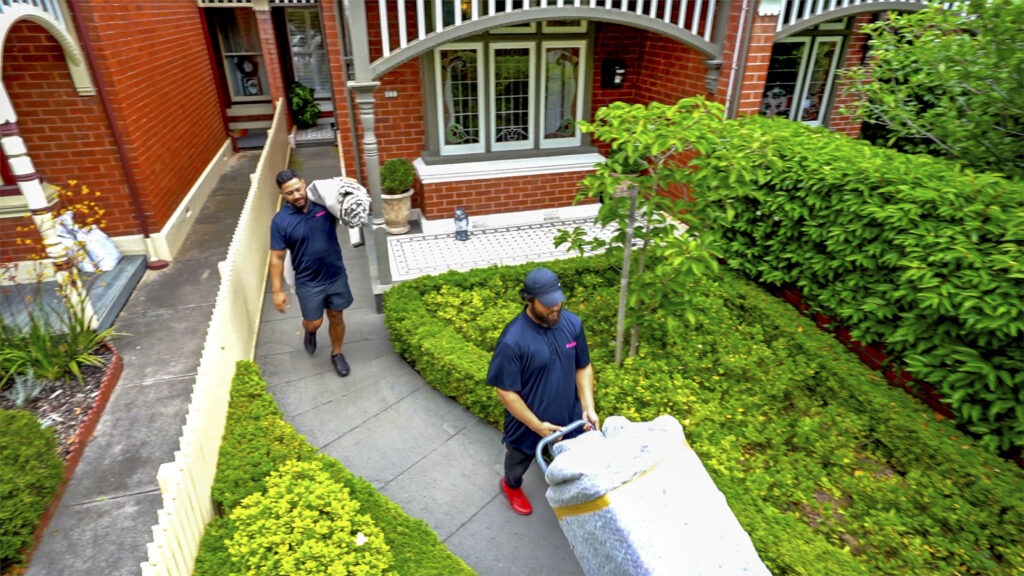
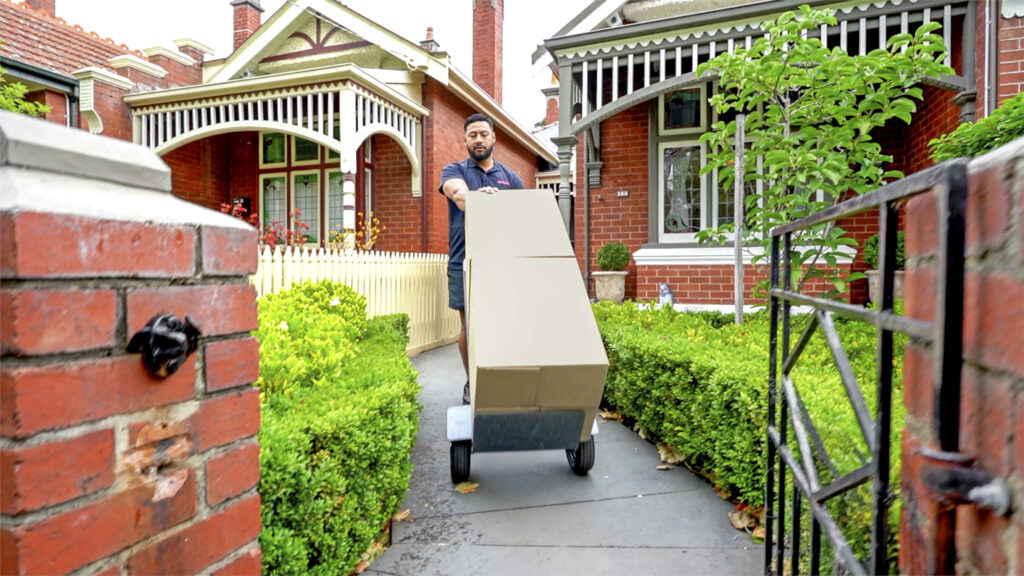
At Ezebox, you will have both storage and removalists that come to you, reducing time and resources for seamless relocation.
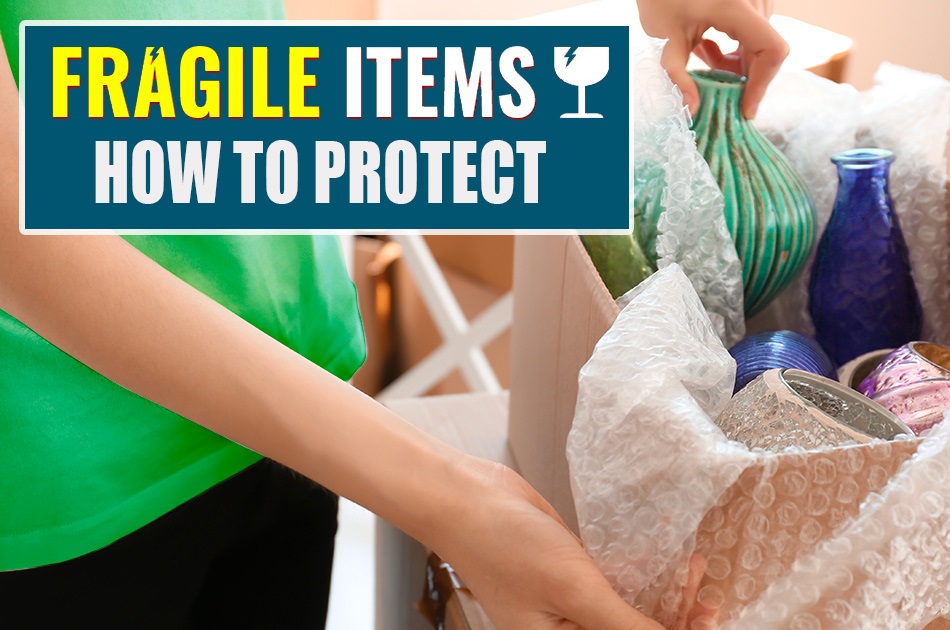
To keep your belongings safe when storing or moving them, use the right materials, such as sturdy, double-walled boxes and bubble wrap. Wrap each item separately, fill any empty spaces in the boxes, and mark boxes containing delicate contents as FRAGILE.
Storing fragile items can feel like walking a tightrope; one incorrect step could break something valuable. Protecting fragile items is vital whether you’re decluttering, relocating, or using storage Melbourne Australia for a brief transition. Proper materials, handling procedures, and preparation will help you safeguard everything from glassware to heirlooms during transportation and storage. This resource outlines the best strategies to help you prevent unnecessary damage to your possessions.
1. Select the Best Storage Option
Choosing a storage plan that meets your requirements is essential before packing anything. At Ezebox, we adopt an effective strategy to ensure all your items are properly packed, loaded, and unloaded at your destination.
Self Storage in Australia
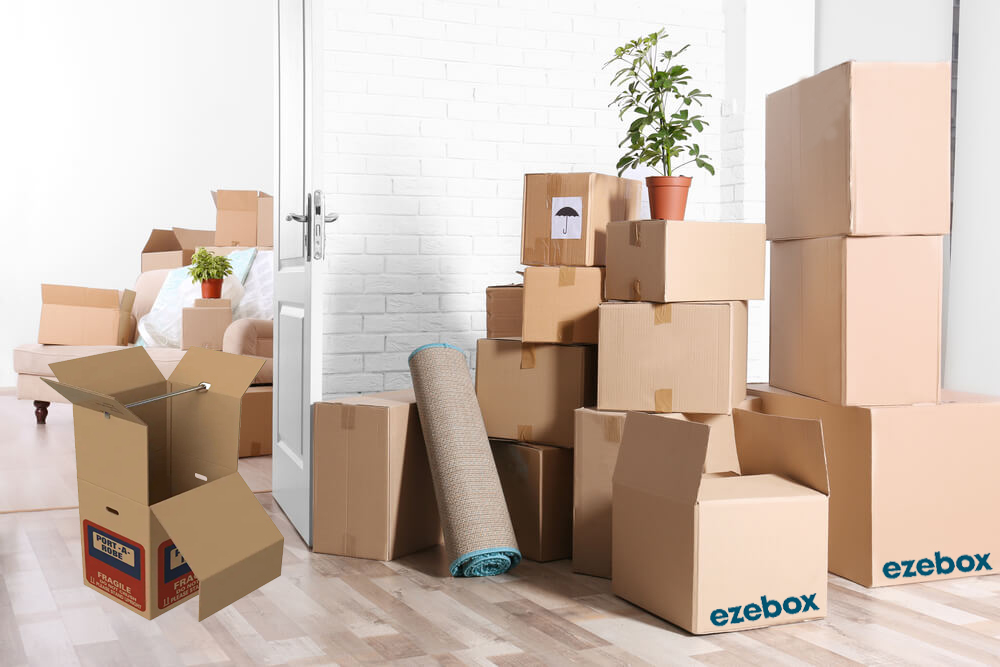
Traditional storage units in Australia are reliable options for continuous access or long-term preservation. They offer a regulated facility where you can properly arrange and secure items.
Mobile storage in Australia
For those seeking professional assistance for packing their items, mobile storage is ideal. At Ezebox, you will have both storage and removalists that come to you, reducing time and resources for seamless relocation. Notably, this convenience significantly reduces the potential damage down the road.
2. Collect Excellent Packaging Supplies
Delicate items should not be packed with used cardboard boxes and leftover newspapers. Purchase items to cushion fragile goods and absorb thuds or shocks. Leaving the task to Ezebox is easy for you. We have expertise and experience to handle the packing and delivery more effectively and efficiently.
-
Double-walled cartons for additional reinforcement
-
Bubble wrap offers shock absorption.
-
Packing paper to avoid abrasions
-
Foam sheeting for partition
-
Packing foam to close gaps
-
Good tape for securely fixing containers
For anything kept in storage or taken from your home, high-quality materials serve as your first line of defence.
3. Individually Wrap Every Item
Always pack delicate items separately; even those that are part of a set should be packed separately.
-
Two layers of bubble wrap should cover glass objects.
-
Stack dishes vertically rather than sideways and utilise foam pouches.
-
Cover delicate edges and handles with extra padding for porcelain and ceramics.
-
Tape every wrapped item to keep it from sliding.
This stage reduces the risk of impact damage by ensuring that no two delicate objects come into immediate contact with each other.
4. Pack Wise and Fill Every Gap
Your box-packing method is as vital as how skillfully you pack the items. At Ezebox, we use a traditional yet effective method when packing items for clients. Here’s what we do:
-
Bigger objects must go at the bottom.
-
Lighter, more brittle objects must come on top.
-
Empty spaces with packing peanuts or crumpled paper should be filled.
-
Avoid overpacking; a bulging box is more liable to burst in transit.
When you gently shake a properly packed box, it ought to feel stiff; nothing inside should move.
5. Mark Everything Plainly
While clear labelling helps identify items to pack and remove, removalists carefully handle fragile items. Opt for an interstate removal and storage service provider that handles packing, transport, and storage across state borders.
Use labels as follows:
-
FRAGILE
-
THIS ONE UP
-
HANDLE with caution
-
GLASS
Label many sides of each box with strong, waterproof markers. This strategy helps prevent unintentional mishandling during loading, carrying, and storage.
6. Arrangement Matters
The arrangement of fragile boxes is essential, even when storing things yourself.
-
Use shelves or pallets to keep delicate items off the floor.
-
Never pile heavy boxes on sensitive ones.
-
To avoid crushing, leave room between boxes.
-
Keep fragile goods far from the unit entrance to prevent unintentional bumps on future visits.
-
Load fragile boxes last if using mobile storage so that they may be upright and secured.
7. Safeguard Bigger Fragile Items as well as Furniture
Some fragile objects are too big for cartons; use:
-
Furniture blankets for ancient pieces, cabinets, and tables.
-
Stretch film to safeguard finished surfaces
-
Foam corner protectors for glass furniture, paintings, and mirrors
-
Custom crates for oddly shaped or highly precious items
By doing so, you can rest assured that the fragile items remain stable and scratch-free during storage and transport.
8. Keep Away From Excessive Moisture and Temperature Exposure
Consider temperature conditions if delicate items include electronic devices, musical instruments, or wood décor.
-
Select storage cabinets with air vents.
-
Use silica gel absorbers of moisture.
-
Avoid keeping delicate items directly on concrete floors; they absorb moisture.
Such preventive measures help keep your items in good condition throughout storage.
Frequently Asked Questions (FAQs)
- Which storage solution is most secure for sensitive goods?
Both self-storage and mobile storage in Australia are safe, but mobile storage reduces handling, thereby lowering the risk of breakage.
- How should I pack sensitive goods for extended storage?
Make sure every item is individually wrapped, then use sturdy boxes, moisture absorbers, and bubble wrap. Keep containers off the floor by storing pallets or boxes on shelves.
- Could I arrange boxes with fragile goods?
Although light stacking is okay, never stack heavy boxes on top of each other. Keep sensitive boxes on shelves within storage units or at eye level.
- What should I steer clear of when packing sensitive goods?
Steer clear of newspapers (ink transfer), antique, worn-out boxes, overpacking, and gaps in boxes.
- Should I cover delicate objects stored elsewhere?
Yes. Insurance offers peace of mind in the event of unexpected events.
Bottom Line:
In short, packing delicate goods requires high-quality materials, careful handling, thoughtful labelling, and strategic internal storage. These actions keep sensitive items safe, whether for local or interstate moving